
Laparoscopic Fundoplication
Not All Surgeries Need Big Cuts — And You Don’t Need a Long Recovery
Relief from Acidity and Reflux — Without Lifelong Medication
Living with acid reflux or GERD (Gastroesophageal Reflux Disease) can be exhausting. Heartburn, food regurgitation, and the need for daily antacids become a frustrating part of life. But it doesn’t have to be this way forever.
Laparoscopic Fundoplication is a proven surgical solution for chronic GERD — especially for patients who no longer respond to medication or want a long-term fix.
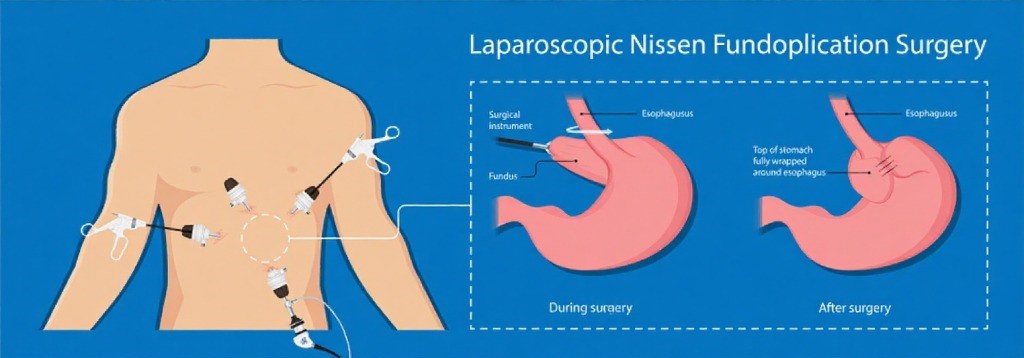
This minimally invasive procedure strengthens the lower esophageal valve by wrapping part of the stomach around it, stopping acid from flowing back into the food pipe.
When Fundoplication May Be Right for You
We recommend this surgery for patients who have:
Chronic GERD despite long-term medication
Frequent heartburn and regurgitation
Difficulty sleeping or eating due to reflux
Damage to the esophagus (esophagitis, Barrett’s esophagus)
Hiatal hernia contributing to reflux
We’ll conduct a detailed diagnostic evaluation and only recommend surgery when it’s truly the best next step.
Why Patients Trust Dr. Vagha for Fundoplication
✅ Specialist in Reflux and Upper GI Surgery
✅ Minimally Invasive. Maximum Relief.
✅ Long-Term Results, Without Long-Term Medication
✅ Carefully Tailored to You
✅ Transparent, Ethical Guidance
Trusted Surgical Experience You Can Rely On
With over 40 years in medicine and more than two decades as a surgical specialist, Dr. Vagha brings more than experience — he brings confidence, calm, and clarity.
He has performed thousands of laparoscopic procedures with a focus on safe outcomes, low-risk recovery, and long-term relief. Whether it’s a straightforward hernia repair or a complex abdominal case, patients appreciate the clear communication, steady hands, and honest advice they receive here.
You won’t just feel operated on — you’ll feel cared for.
Patient Story
Najib Shaikh
I was suffering from food regurgitation and severe weight loss. I was successfully diagnosed with GERD (gastroesophageal reflux disease) and hiatus hernia and treated by Dr. Vagha with laparoscopic fundoplication. Thanks to the surgery, I can eat food well again and have gained normal weight.
FAQs – Laparoscopic Fundoplication
Is laparoscopic fundoplication permanent?
The effects are long-lasting. Most patients enjoy relief for years, and many stop needing regular reflux medications.
How long does the procedure take?
The surgery typically takes 1.5 to 2 hours and is done under general anesthesia.
How long will I be in the hospital?
Most patients stay for 1 to 2 days and resume light activity within a few days
Will I be able to eat normally after surgery?
You’ll start with a liquid diet, gradually moving to soft and then regular foods over a few weeks under our guidance.
Are there any side effects?
Some patients may experience temporary bloating or difficulty burping, but these usually improve over time.