
Bariatric Surgery in Pune – A Healthier Future Starts with the Right Step
Not All Surgeries Need Big Cuts — And You Don’t Need a Long Recovery
Losing Weight, Regaining Health, Rebuilding Confidence
When excess weight becomes more than just a number on the scale — causing diabetes, high blood pressure, sleep apnea, or joint problems — it can hold you back from living your best life.
Bariatric surgery isn’t just about weight loss. It’s about regaining control over your health, improving your energy, and reducing the risks of obesity-related conditions. With minimally invasive techniques, you can achieve all this with less pain and a faster recovery.
What is Bariatric Surgery?
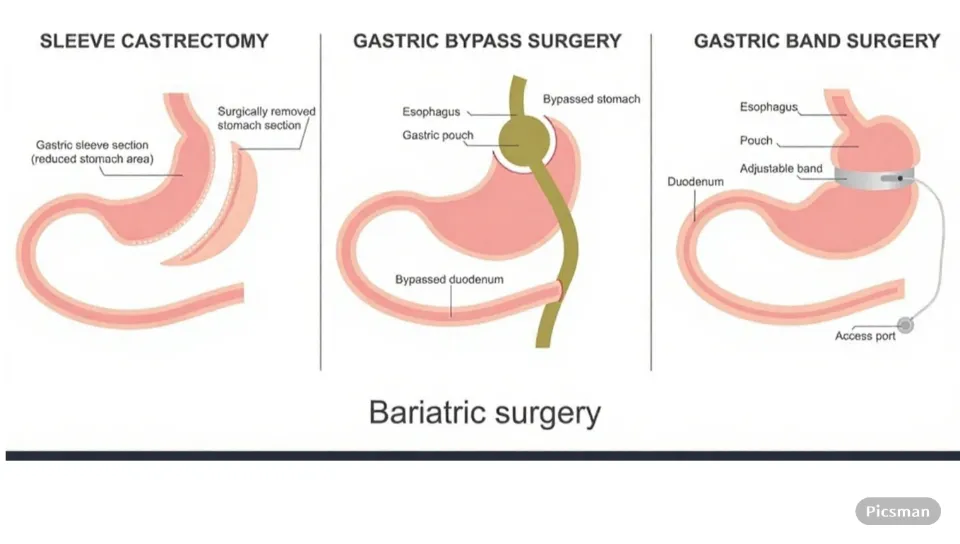
Bariatric surgery refers to a range of procedures that help you lose weight by changing how your stomach and digestive system handle food.
Common types include:
Sleeve Gastrectomy – Removes part of the stomach to limit food intake.
Gastric Bypass – Redirects digestion to help you feel full faster and absorb fewer calories.
Mini Gastric Bypass – A simpler bypass procedure with similar benefits.
All these can be performed laparoscopically, using small incisions for quicker recovery.
When is Bariatric Surgery Recommended?
BMI over 40, or over 35 with obesity-related health issues
Failed attempts at weight loss with diet, exercise, and medication
Severe metabolic issues caused by excess weight
Need for long-term weight management and improved health
Why Choose Dr. Avinash Vagha for Bariatric Surgery
✅ Extensive Laparoscopic Experience – Years of performing complex bariatric procedures with precision.
✅ Whole-Patient Approach – Focus on long-term health, not just weight reduction.
✅ Safe, Minimally Invasive Techniques – Less pain, smaller scars, faster recovery.
✅ Multidisciplinary Care – Nutritional guidance, follow-up support, and lifestyle counselling.
✅ Life-Changing Results – Many patients lose significant weight and reverse chronic illnesses.
Trusted Surgical Experience You Can Rely On
With over 40 years in medicine and a deep focus on minimally invasive techniques, Dr. Vagha has helped patients transform their health and lives. His approach ensures you understand your options, the process, and the lifestyle changes needed for lasting success.
Stories of Transformation
Ms. P.K.
Lost over 40 kg after laparoscopic sleeve gastrectomy. Her diabetes went into remission, and her energy levels soared.
Mr. R.M.
After gastric bypass, he not only lost 35 kg but also stopped taking medication for high blood pressure and cholesterol.
What Patients Usually Ask Us
Will I regain the weight after surgery?
With proper diet, exercise, and follow-up care, long-term weight loss is sustainable.
How much weight will I lose?
Typically, 50–70% of excess body weight is lost within the first 1–2 years.
Is bariatric surgery safe?
Yes, especially with laparoscopic methods — though like any surgery, it has some risks.
Will I have to follow a special diet?
Yes, gradual diet changes are needed before and after surgery for healing and weight loss.
How soon can I return to normal activity?
Most patients resume light activity in 2–3 weeks, full activity in 4–6 weeks.