
APR (Abdominoperineal Resection) – Advanced Care for Low Rectal Cancer & Complex Anal Conditions
Not All Surgeries Need Big Cuts — And You Don’t Need a Long Recovery
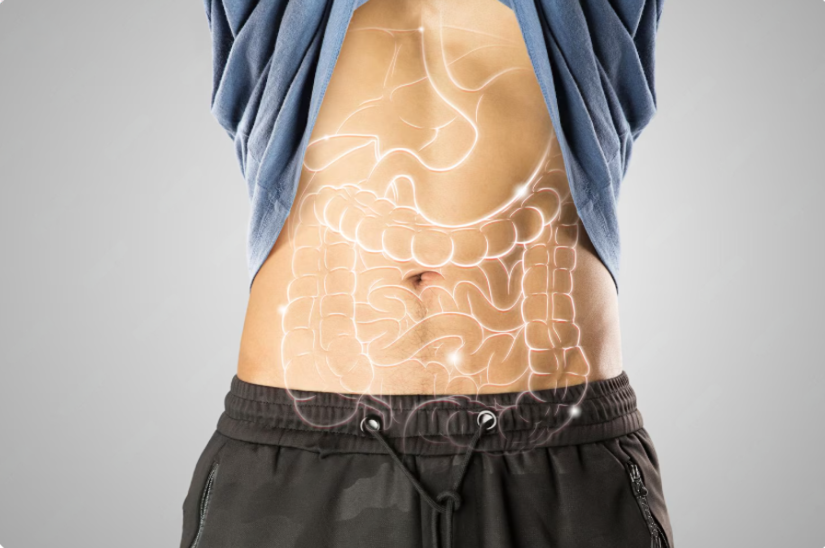
Surgical Precision When Preservation Isn’t Possible
When cancer or disease affects the very bottom of the rectum or anal canal, sometimes preserving the natural passage for stool isn’t possible. In such cases, an Abdominoperineal Resection (APR) is the most effective way to remove the diseased area and prevent the spread of cancer.
With today’s techniques, laparoscopic APR offers the same cancer control as open surgery but with smaller cuts, less pain, and quicker recovery — helping patients face this major surgery with more confidence and comfort.
What is an Abdominoperineal Resection?
In APR, the surgeon removes the rectum, anus, and surrounding tissues, then closes the anal opening. A permanent colostomy (stoma) is created so waste passes through the abdominal wall into a colostomy bag.
When performed laparoscopically, small keyhole incisions are used in the abdomen, reducing overall trauma and improving recovery compared to the traditional open method.
When is APR Recommended?
Low rectal cancer (too close to the anal sphincter for safe preservation)
Certain recurrent rectal tumors
Advanced anal cancer
Complex anorectal disease not manageable by other means
Why Choose Dr. Avinash Vagha for APR
✅ Extensive Colorectal Surgery Expertise – Proven track record in treating advanced rectal and anal cancers.
✅ Oncological Safety First – Prioritizing complete removal of disease with optimal margins.
✅ Minimally Invasive Where Possible – Laparoscopic approach for less pain and faster healing.
✅ Holistic Patient Support – Guidance on stoma care, nutrition, and emotional adjustment.
✅ Decades of Surgical Experience – Thousands of successful colorectal surgeries performed.
Trusted Surgical Experience You Can Rely On
An APR is a life-changing operation, and Dr. Vagha ensures every patient feels informed, supported, and confident. From thorough preoperative counseling to long-term follow-up, care is tailored to each patient’s physical and emotional needs.
Stories of Recovery
Mr. S.K.
Diagnosed with low rectal cancer, he underwent laparoscopic APR. With expert stoma education and follow-up, he quickly adapted to his new routine and remains cancer-free two years later.
Mrs. M.D.
Faced with an advanced anal tumor, she had APR surgery and was discharged in 6 days. She reports good energy levels and a renewed focus on her health.
What Patients Usually Ask Us
Will I need a permanent colostomy after APR?
Yes — because the anus is removed, a permanent stoma is required.
Can APR be done laparoscopically?
Yes — in many cases, we can use a minimally invasive approach for faster recovery.
Is APR safe for elderly patients?
Yes, provided overall health is stable. Careful preoperative assessment is done for every patient.
How long will I be in the hospital?
Typically 5–7 days, depending on recovery and stoma adaptation.
How will I manage life with a stoma?
With proper training, most patients lead full, active lives. Our team provides complete stoma care education and follow-up.